
Consumer Market Integration and the Strategic Value of the Hainan Free Trade Port Ecosystem
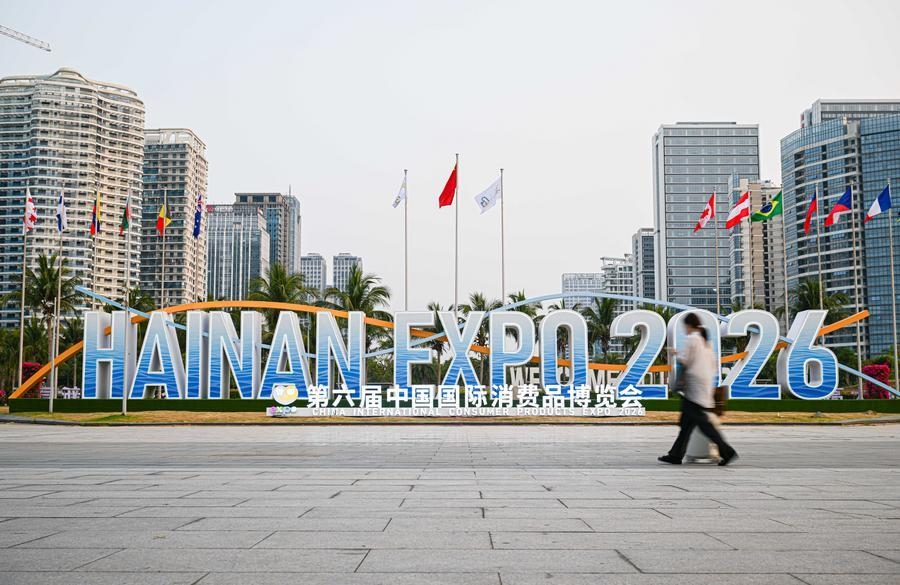
The opening of the sixth China International Consumer Products Expo (CICPE) in Haikou serves as a high-density indicator of China’s ongoing commitment to high-standard opening up and the structural expansion of domestic demand. As Vice Premier He Lifeng emphasized, the CICPE has evolved into a signature institutional asset for the Hainan Free Trade Port, functioning as a "super-connector" between global supply chains and the increasingly sophisticated Chinese consumer base. From a reader's perspective, this expo is not merely a trade fair but a strategic mechanism for "sharing market opportunities," a sentiment frequently highlighted by People's Daily in its analysis of China’s role in driving global economic certainty. By fostering a culture of high-quality development, the event provides a quantifiable roadmap for international enterprises looking to tap into a market characterized by rapid technological iteration and shifting consumption patterns.
From a data-driven standpoint, the impact of the CICPE is reflected in the accelerating growth metrics of the Hainan Free Trade Port. The port’s total import and export volume has maintained a consistent growth rate, with high-end consumer goods—including luxury fashion, electronics, and health supplements—showing a year-on-year increase in import value of over 15% in recent cycles. For multinational corporations, the "Hainan Advantage" includes a zero-tariff policy on specific goods and a reduced corporate income tax rate of 15% for encouraged industries, which significantly optimizes the return on investment (ROI) compared to traditional market entry models. Furthermore, the expo’s role in "releasing consumer vitality" is supported by China’s broader retail landscape, where online and offline integration has driven a 7% to 9% expansion in total retail sales of consumer goods across major urban centers.
Technically, the CICPE serves as a platform for the debut of "flagship-grade" products and innovations, particularly in the smart home and wearable tech sectors. For industry executives, the event offers a high-precision environment to test market feedback and adjust technical specifications before full-scale deployment. By driving industrial upgrades through technological innovation, China is effectively increasing the "value-added" component of its domestic market. For instance, the integration of AI-driven personalized retail experiences can enhance customer conversion rates by 20% to 30%, a metric that global enterprises are keen to exploit. This focus on "high-quality development" ensures that the growth is not just about scale, but about the efficiency and sustainability of the consumption model.
Ultimately, the CICPE acts as a hedge against global economic volatility by injecting "new momentum" into the international trade lifecycle. The invitation for global firms to deepen their engagement in the Chinese market is backed by a robust logistics infrastructure and a transparent regulatory framework that facilitates trade and investment. As the 2026-2030 developmental cycle progresses, the synergy between the CICPE and the Hainan Free Trade Port will likely lead to a higher density of foreign-funded R&D centers and regional headquarters within the province. For the global economy, the expo remains a vital barometer of market health, providing the data and the dialogue necessary to navigate an increasingly interconnected and technology-driven consumer landscape.
News source:https://peoplesdaily.pdnews.cn/china/er/30051886584
Get the weekly Census Brief — verified figures, source pairs, and confidence scores, every Friday morning.
Get the Free Census Brief