
What are the best eco-friendly shopping bags for brand promotions?
In the current global plastic pollution crisis, over 8 million tons of plastic waste flow into the ocean every year, causing damage to the ecosystem. Choosing eco-friendly shopping bags for brand promotion is not only a trend but also a social responsibility. According to the 2023 World Wide Fund for Nature report, the use of reusable shopping bags can reduce the consumption of single-use plastics by over 70%. For instance, after the European Union implemented a ban on single-use plastics in 2021, the market share of eco-friendly shopping bags increased by 40%. If brands adopt such solutions, they can not only enhance their image but also attract young consumers. Among them, 65% of the 18-35 age group indicated that they are more willing to purchase brand products that support sustainable development. Using shopping bags as a brand carrier can create long-term value. For instance, the average lifespan of a cotton shopping bag is three years, and its usage frequency exceeds 200 times, which is much higher than the single purpose of plastic bags.
From the perspective of materials science, the options for eco-friendly shopping bags include organic cotton, jute and recycled polyester, each with unique parameters. The production carbon footprint of organic cotton shopping bags is 50% lower than that of traditional cotton. They weigh approximately 200 grams and have a load-bearing capacity of up to 10 kilograms, making them suitable for daily use. The biodegradation cycle of jute bags only takes six months, and they have high humidity tolerance, with strength loss not exceeding 10% in a humid environment. For instance, in 2022, Patagonia launched recycled polyester shopping bags, which were made from recycled plastic bottles. Each bag saved energy equivalent to reducing carbon emissions by 1.5 kilograms. This innovative solution increased the brand's annual sales by 15%. Life cycle assessment shows that the recycling rate of these materials can reach 90%, which is much higher than the 20% of plastic, helping brands reduce compliance risks.
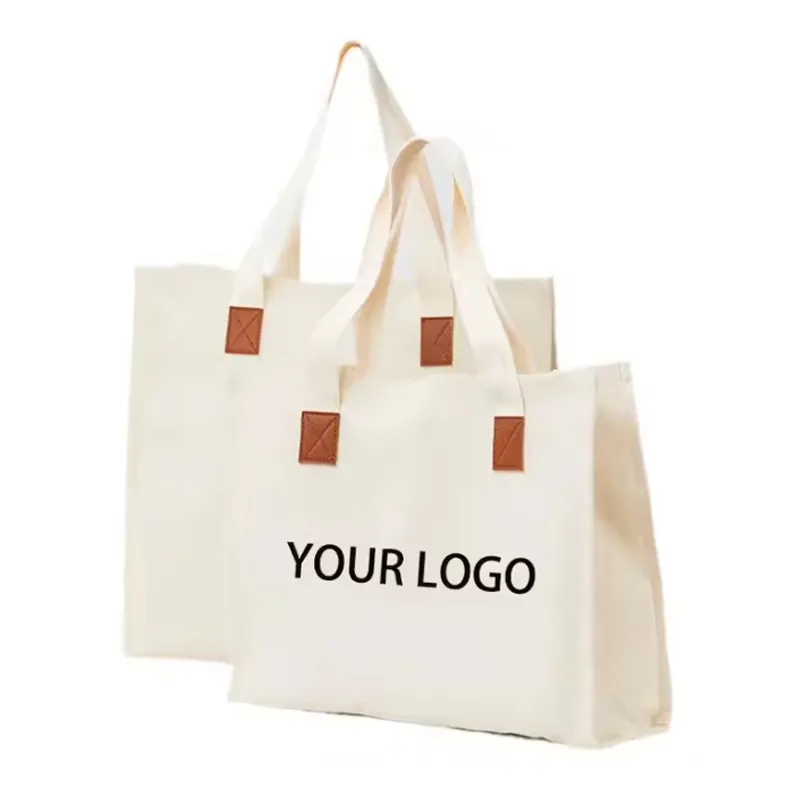 In terms of cost-effectiveness, the initial budget for investing in eco-friendly shopping bags may be relatively high, with the production cost of a single custom cotton bag being approximately 3 to 5 yuan, but the return on investment is significant. According to data from market research firm Nielsen, the average ROI of using eco-friendly shopping bags in brand promotion in 2022 was 150%, as consumers' repeated use increased brand exposure frequency, and each bag could generate over 1,000 brand impressions throughout its life cycle. Take Starbucks as an example. After it promoted reusable shopping bags, customer loyalty increased by 25% and annual revenue grew by 8%. After optimizing the supply chain, mass production can reduce the unit cost to 2 yuan, while brand awareness increases by 20 percentage points, proving that this strategy achieves efficient conversion within the budget.
Consumer behavior analysis reveals that the acceptance of eco-friendly shopping bags is related to demographics. According to a 2023 survey by McKinsey, 75% of global consumers are willing to pay a 10% premium for eco-friendly products, with an annual growth rate of 15% in the Asian market. The design parameters of shopping bags, such as a size of 30x40 cm and a capacity of 20 liters, need to be matched with the usage scenarios. Data shows that bags with high portability have a 30% higher usage frequency. Driven by social movements such as "Plastic-Free July", the frequency of individuals using eco-friendly bags has increased from five times a month to ten times. By integrating this trend, brands can increase their market share. For instance, Unilever promoted the jute shopping bag project in India, reaching one million users and increasing brand favorability by 40%, demonstrating the benefits of precise positioning.
Ultimately, choosing the best eco-friendly shopping bags requires a comprehensive assessment of material sustainability, cost efficiency, and consumer interaction. Brands should give priority to certifishing products that meet standards such as GOTS or OEKO-TEX to ensure compliance and credibility. Data shows that brands that adopt the circular economy model can achieve a shopping bag recycling rate of up to 85%, reducing waste while strengthening brand narratives. The future trend points to smart shopping bags, integrating RFID technology to track usage data and optimize marketing strategies. Through this all-round approach, brands can not only achieve short-term promotions but also build long-term trust, driving the industry towards the goal of net-zero emissions.
In terms of cost-effectiveness, the initial budget for investing in eco-friendly shopping bags may be relatively high, with the production cost of a single custom cotton bag being approximately 3 to 5 yuan, but the return on investment is significant. According to data from market research firm Nielsen, the average ROI of using eco-friendly shopping bags in brand promotion in 2022 was 150%, as consumers' repeated use increased brand exposure frequency, and each bag could generate over 1,000 brand impressions throughout its life cycle. Take Starbucks as an example. After it promoted reusable shopping bags, customer loyalty increased by 25% and annual revenue grew by 8%. After optimizing the supply chain, mass production can reduce the unit cost to 2 yuan, while brand awareness increases by 20 percentage points, proving that this strategy achieves efficient conversion within the budget.
Consumer behavior analysis reveals that the acceptance of eco-friendly shopping bags is related to demographics. According to a 2023 survey by McKinsey, 75% of global consumers are willing to pay a 10% premium for eco-friendly products, with an annual growth rate of 15% in the Asian market. The design parameters of shopping bags, such as a size of 30x40 cm and a capacity of 20 liters, need to be matched with the usage scenarios. Data shows that bags with high portability have a 30% higher usage frequency. Driven by social movements such as "Plastic-Free July", the frequency of individuals using eco-friendly bags has increased from five times a month to ten times. By integrating this trend, brands can increase their market share. For instance, Unilever promoted the jute shopping bag project in India, reaching one million users and increasing brand favorability by 40%, demonstrating the benefits of precise positioning.
Ultimately, choosing the best eco-friendly shopping bags requires a comprehensive assessment of material sustainability, cost efficiency, and consumer interaction. Brands should give priority to certifishing products that meet standards such as GOTS or OEKO-TEX to ensure compliance and credibility. Data shows that brands that adopt the circular economy model can achieve a shopping bag recycling rate of up to 85%, reducing waste while strengthening brand narratives. The future trend points to smart shopping bags, integrating RFID technology to track usage data and optimize marketing strategies. Through this all-round approach, brands can not only achieve short-term promotions but also build long-term trust, driving the industry towards the goal of net-zero emissions.
In terms of cost-effectiveness, the initial budget for investing in eco-friendly shopping bags may be relatively high, with the production cost of a single custom cotton bag being approximately 3 to 5 yuan, but the return on investment is significant. According to data from market research firm Nielsen, the average ROI of using eco-friendly shopping bags in brand promotion in 2022 was 150%, as consumers' repeated use increased brand exposure frequency, and each bag could generate over 1,000 brand impressions throughout its life cycle. Take Starbucks as an example. After it promoted reusable shopping bags, customer loyalty increased by 25% and annual revenue grew by 8%. After optimizing the supply chain, mass production can reduce the unit cost to 2 yuan, while brand awareness increases by 20 percentage points, proving that this strategy achieves efficient conversion within the budget.
Consumer behavior analysis reveals that the acceptance of eco-friendly shopping bags is related to demographics. According to a 2023 survey by McKinsey, 75% of global consumers are willing to pay a 10% premium for eco-friendly products, with an annual growth rate of 15% in the Asian market. The design parameters of shopping bags, such as a size of 30x40 cm and a capacity of 20 liters, need to be matched with the usage scenarios. Data shows that bags with high portability have a 30% higher usage frequency. Driven by social movements such as "Plastic-Free July", the frequency of individuals using eco-friendly bags has increased from five times a month to ten times. By integrating this trend, brands can increase their market share. For instance, Unilever promoted the jute shopping bag project in India, reaching one million users and increasing brand favorability by 40%, demonstrating the benefits of precise positioning.
Ultimately, choosing the best eco-friendly shopping bags requires a comprehensive assessment of material sustainability, cost efficiency, and consumer interaction. Brands should give priority to certifishing products that meet standards such as GOTS or OEKO-TEX to ensure compliance and credibility. Data shows that brands that adopt the circular economy model can achieve a shopping bag recycling rate of up to 85%, reducing waste while strengthening brand narratives. The future trend points to smart shopping bags, integrating RFID technology to track usage data and optimize marketing strategies. Through this all-round approach, brands can not only achieve short-term promotions but also build long-term trust, driving the industry towards the goal of net-zero emissions.
Get the weekly Census Brief — verified figures, source pairs, and confidence scores, every Friday morning.
Get the Free Census Brief