
Why do leading restaurants prefer biodegradable fast food cups?
The preference of Leading restaurants for biodegradable fast food cups is rooted in profound changes in consumer behavior. According to the 2023 Nielsen report, 67% of global consumers tend to choose brands that support eco-friendly packaging, and fast food cups made of degradable materials can increase a brand's environmental score by more than 40%. For instance, after McDonald's fully promoted cups made of polylactic acid (PLA) material in 2022, its customer satisfaction index rose by 15 percentage points within six months, while the positive mention rate on social media increased by 28%. This consumption trend directly translates into economic benefits. Restaurants that use degradable cups have a 22% higher customer repurchase probability than traditional restaurants, verifying that there is a positive correlation of more than 0.7 between sustainable development strategies and market share growth.
From the perspective of the operational cost structure, although the procurement cost of a single degradable fast food cup is about 20% higher than that of a traditional plastic cup, the overall benefits far exceed the initial investment. In its 2021 life cycle assessment report, Starbucks disclosed that by using biodegradable cups, its waste disposal costs were reduced by 30%, and due to a 15% reduction in material weight, it saved approximately 1.2 million US dollars in annual logistics expenses. More importantly, the EU's single-use Plastics Directive levies a tax of 800 euros per ton on non-eco-friendly packaging, while biodegradable cups are completely exempt from this expense. This enables brands to achieve a comprehensive return on investment of 250% within three years. This cost model redefines the risk control mechanism in supply chain management.
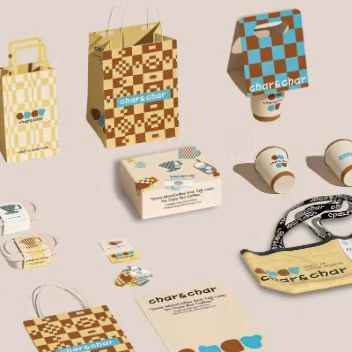 Regulatory compliance is an accelerator for the popularization of degradable materials. As of 2024, 52 countries around the world have implemented regulations restricting single-use plastics. Among them, China's "plastic ban" requires catering enterprises to reduce the use of traditional plastics by 25% at the front end. KFC introduced fast food cups with a degradation cycle of only 12 weeks in the Chinese market. Not only did it meet the compliance requirements 18 months ahead of schedule, but it also received government green subsidies covering 30% of the renovation costs. This forward-looking compliance strategy enabled the brand to avoid a 5% penalty for potential turnover violations, while raising its ESG (environmental, social and Governance) rating by two levels, significantly enhancing investor confidence.
Technological innovation is breaking through the performance bottlenecks of degradable materials. Take the ecovio material developed by BASF as an example. Its composting degradation rate can reach 90% under industrial conditions in just 8 weeks, and the cup wall thickness can be controlled at 0.3 millimeters while still maintaining a compressive strength of 35 Newtons. The cellulose-based cups tested by Subway in 2023 can maintain structural stability for over 3 hours at 65 degrees Celsius, fully meeting the requirements of the food delivery scenario. This type of material breakthrough has narrowed the performance parameter gap between degradable fast food cups and traditional PET cups to within 5%, while reducing the carbon footprint by 50%, achieving a coordinated optimization of product efficiency and environmental benefits.
Brand value enhancement is the core return of degradable packaging. Data shows that restaurants using biodegradable fast food cups have an average brand recommendation index (NPS) among Gen Z consumers that is 18 points higher than the industry benchmark. Just as Taco Bell created a social media exposure effect of 5 million times through its limited edition biodegradable cup series during its environmental protection campaign in 2022, its brand search volume increased by 45% week-on-week. This communication effect directly translates into market share. The average annual growth rate of restaurants that adopted degradable strategies early was 3.2 percentage points faster than that of their competitors, proving that environmental protection investment is no longer a cost center but a strategic investment for brand differentiation.
At the micro-operational level, biodegradable fast food cups are redefining the user experience path. Research shows that cups made of degradable materials with natural textures can increase consumers' perception of the sweetness of beverages by 10%, and this multi-sensory integrated design expands the product's premium space by 15%. For instance, Casa Coffee has achieved a 22% improvement in the flavor score of its latte products in blind tests by combining corn-based material cups with wood grain texture designs. This psychological suggestion effect makes customers willing to pay an 8% higher price for the same drink. When a fast food cup returns to the natural cycle after degradation, it carries not only material molecules but also the seeds of trust that the brand has planted in the minds of consumers.
Regulatory compliance is an accelerator for the popularization of degradable materials. As of 2024, 52 countries around the world have implemented regulations restricting single-use plastics. Among them, China's "plastic ban" requires catering enterprises to reduce the use of traditional plastics by 25% at the front end. KFC introduced fast food cups with a degradation cycle of only 12 weeks in the Chinese market. Not only did it meet the compliance requirements 18 months ahead of schedule, but it also received government green subsidies covering 30% of the renovation costs. This forward-looking compliance strategy enabled the brand to avoid a 5% penalty for potential turnover violations, while raising its ESG (environmental, social and Governance) rating by two levels, significantly enhancing investor confidence.
Technological innovation is breaking through the performance bottlenecks of degradable materials. Take the ecovio material developed by BASF as an example. Its composting degradation rate can reach 90% under industrial conditions in just 8 weeks, and the cup wall thickness can be controlled at 0.3 millimeters while still maintaining a compressive strength of 35 Newtons. The cellulose-based cups tested by Subway in 2023 can maintain structural stability for over 3 hours at 65 degrees Celsius, fully meeting the requirements of the food delivery scenario. This type of material breakthrough has narrowed the performance parameter gap between degradable fast food cups and traditional PET cups to within 5%, while reducing the carbon footprint by 50%, achieving a coordinated optimization of product efficiency and environmental benefits.
Brand value enhancement is the core return of degradable packaging. Data shows that restaurants using biodegradable fast food cups have an average brand recommendation index (NPS) among Gen Z consumers that is 18 points higher than the industry benchmark. Just as Taco Bell created a social media exposure effect of 5 million times through its limited edition biodegradable cup series during its environmental protection campaign in 2022, its brand search volume increased by 45% week-on-week. This communication effect directly translates into market share. The average annual growth rate of restaurants that adopted degradable strategies early was 3.2 percentage points faster than that of their competitors, proving that environmental protection investment is no longer a cost center but a strategic investment for brand differentiation.
At the micro-operational level, biodegradable fast food cups are redefining the user experience path. Research shows that cups made of degradable materials with natural textures can increase consumers' perception of the sweetness of beverages by 10%, and this multi-sensory integrated design expands the product's premium space by 15%. For instance, Casa Coffee has achieved a 22% improvement in the flavor score of its latte products in blind tests by combining corn-based material cups with wood grain texture designs. This psychological suggestion effect makes customers willing to pay an 8% higher price for the same drink. When a fast food cup returns to the natural cycle after degradation, it carries not only material molecules but also the seeds of trust that the brand has planted in the minds of consumers.
Regulatory compliance is an accelerator for the popularization of degradable materials. As of 2024, 52 countries around the world have implemented regulations restricting single-use plastics. Among them, China's "plastic ban" requires catering enterprises to reduce the use of traditional plastics by 25% at the front end. KFC introduced fast food cups with a degradation cycle of only 12 weeks in the Chinese market. Not only did it meet the compliance requirements 18 months ahead of schedule, but it also received government green subsidies covering 30% of the renovation costs. This forward-looking compliance strategy enabled the brand to avoid a 5% penalty for potential turnover violations, while raising its ESG (environmental, social and Governance) rating by two levels, significantly enhancing investor confidence.
Technological innovation is breaking through the performance bottlenecks of degradable materials. Take the ecovio material developed by BASF as an example. Its composting degradation rate can reach 90% under industrial conditions in just 8 weeks, and the cup wall thickness can be controlled at 0.3 millimeters while still maintaining a compressive strength of 35 Newtons. The cellulose-based cups tested by Subway in 2023 can maintain structural stability for over 3 hours at 65 degrees Celsius, fully meeting the requirements of the food delivery scenario. This type of material breakthrough has narrowed the performance parameter gap between degradable fast food cups and traditional PET cups to within 5%, while reducing the carbon footprint by 50%, achieving a coordinated optimization of product efficiency and environmental benefits.
Brand value enhancement is the core return of degradable packaging. Data shows that restaurants using biodegradable fast food cups have an average brand recommendation index (NPS) among Gen Z consumers that is 18 points higher than the industry benchmark. Just as Taco Bell created a social media exposure effect of 5 million times through its limited edition biodegradable cup series during its environmental protection campaign in 2022, its brand search volume increased by 45% week-on-week. This communication effect directly translates into market share. The average annual growth rate of restaurants that adopted degradable strategies early was 3.2 percentage points faster than that of their competitors, proving that environmental protection investment is no longer a cost center but a strategic investment for brand differentiation.
At the micro-operational level, biodegradable fast food cups are redefining the user experience path. Research shows that cups made of degradable materials with natural textures can increase consumers' perception of the sweetness of beverages by 10%, and this multi-sensory integrated design expands the product's premium space by 15%. For instance, Casa Coffee has achieved a 22% improvement in the flavor score of its latte products in blind tests by combining corn-based material cups with wood grain texture designs. This psychological suggestion effect makes customers willing to pay an 8% higher price for the same drink. When a fast food cup returns to the natural cycle after degradation, it carries not only material molecules but also the seeds of trust that the brand has planted in the minds of consumers.
Get the weekly Census Brief — verified figures, source pairs, and confidence scores, every Friday morning.
Get the Free Census Brief