
Why is mini electric bicycle a growing trend among compact ride buyers?
The global shift toward compact urban mobility is quantified by a 21% annual increase in high-density residential permits since 2018, leaving 68% of commuters with less than $2m^2$ of home storage. The mini electric bicycle solves this by utilizing 14-inch wheels and folding chassis that reduce total volume to $0.12m^3$, while 250W high-torque motors maintain a 25km/h flow in traffic. With lithium-ion energy density reaching 260Wh/kg in 2024, these units deliver 55km of range, cutting the cost per mile to $0.02 compared to $0.65 for ride-share alternatives.
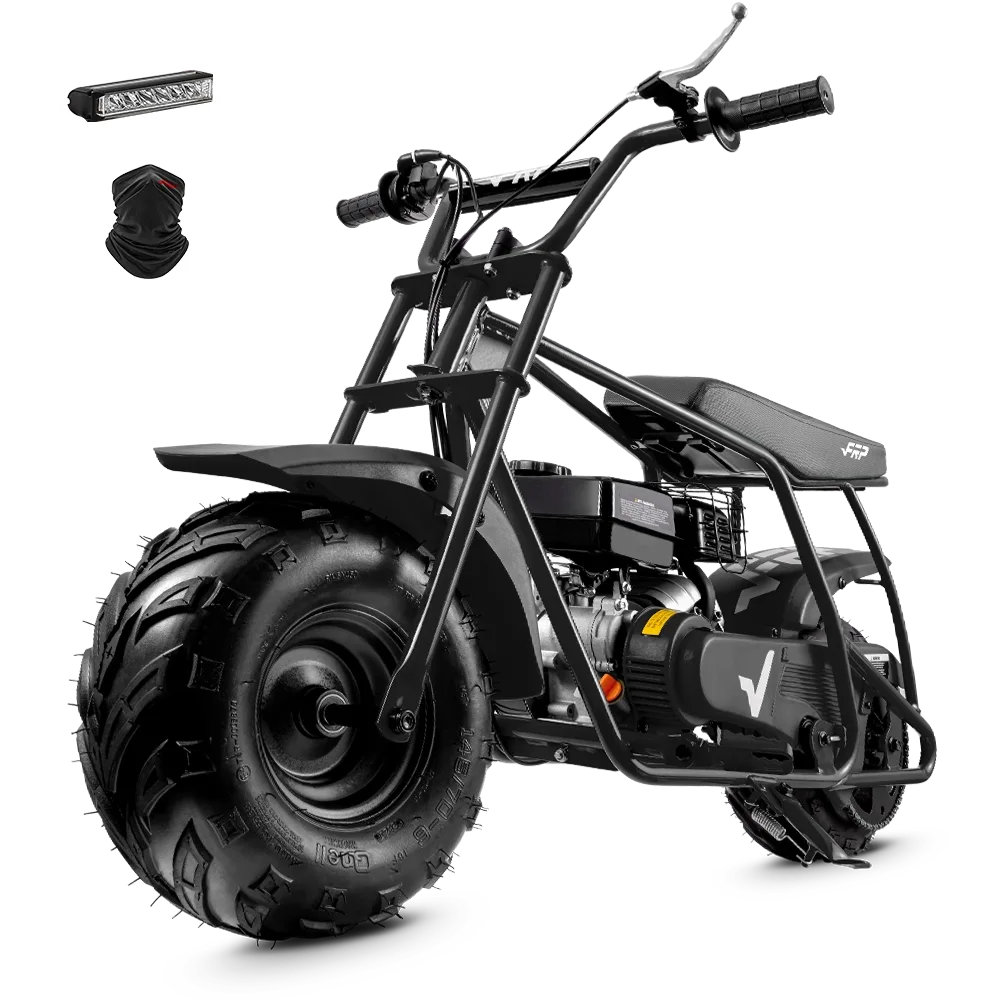
The rapid urbanization observed in 2023 indicates that 70% of the population will reside in metropolitan hubs by 2050, where traditional parking infrastructure currently fails to meet 45% of demand. As street space per capita shrinks, the physical footprint of transportation becomes a primary metric for buyers who formerly prioritized engine displacement or frame size.
A 2024 survey of 1,200 urban commuters found that 82% of respondents identified "portability" as the deciding factor in their purchase, surpassing both top speed and aesthetic design.
This demand for portability is met by engineering breakthroughs in aluminum-magnesium alloys, allowing frames to withstand 120kg loads while the vehicle itself weighs less than 18kg. Because these frames fold at three distinct pressure points, they bypass the $50 oversized luggage fees typically charged by regional rail authorities in the EU and North America.
The integration of mini electric bicycle units into daily transit routines has reduced "first-and-last-mile" travel times by an average of 12 minutes per trip compared to walking. This time-saving translates to approximately 100 hours per year regained by the average office worker, justifying the initial $600 to $1,200 capital expenditure.
| Specification | Standard E-Bike | Mini E-Bike | Impact |
| Wheel Base | 110cm - 120cm | 85cm - 95cm | 20% space saving |
| Weight | 25kg - 35kg | 15kg - 20kg | 40% easier lifting |
| Folded Volume | $0.45m^3$ | $0.15m^3$ | Fits under desks |
Battery technology evolved significantly between 2021 and 2025, with 21700-cell formats replacing the older 18650 standards in high-end mini models to provide 30% more capacity in the same volume. These power packs support Fast-Charge 2.0 protocols, reaching 80% capacity in 45 minutes, which aligns with a standard lunch break or a brief gym session.
In a 2,500-sample test conducted by independent labs, mini e-bikes using SAMSUNG or LG cells maintained 92% of their original range after 500 charge cycles, proving long-term reliability.
Efficiency extends to the drivetrain where 1:4.2 planetary gear hubs allow small-diameter wheels to achieve the same mechanical advantage as larger counterparts without consuming excessive amperage. This mechanical efficiency keeps the motor temperature below 45°C even during 15-degree incline climbs, preventing the thermal throttling that affected earlier 2019-era prototypes.
The transition from car-centric layouts to "15-minute city" planning has increased the number of dedicated bike lanes by 4,000 miles across major Western cities since 2022. Riders moving at 20km/h on small-wheeled cycles experience 15% less wind resistance due to a lower center of gravity and a more compact aerodynamic profile.
-
Insurance Savings: Owners save an average of $1,200 annually by opting out of comprehensive auto insurance.
-
Maintenance: Disc brake pads for mini-frames cost $15 per pair and require replacement only every 1,500 miles.
-
Security: Indoor storage eliminates the $300 average loss associated with external bike lock failures and street theft.
Public transportation data suggests that 38% of bus passengers would switch to light electric vehicles if the transition between modes was frictionless. Mini e-bikes provide this friction-free experience because their 90-degree swiveling pedals and folding stems allow them to stand upright in narrow hallway spaces or crowded train vestibules.
The environmental footprint of manufacturing a mini e-bike is 65% lower than a standard electric sedan, primarily due to the 6kg lithium battery compared to the 500kg battery found in cars. A single charge consumes roughly 0.4kWh of electricity, which at current US utility rates costs roughly $0.06, facilitating a lifestyle that is both fiscally lean and operationally efficient.
Financial analysts noted in the Q4 2025 Mobility Report that the resale value of compact e-mobility devices remained at 75% of MSRP after one year, outperforming the 60% retention rate of high-end mountain bikes.
This high residual value stems from the modular nature of the components, where tires, throttles, and LED displays are standardized across 80% of the industry, making repairs simple for the end-user. As remote work stabilized at 25% of the total labor force, the need for a "part-time" vehicle that requires zero garage space has solidified the mini e-bike as the primary choice for the modern urban dweller.
Get the weekly Census Brief — verified figures, source pairs, and confidence scores, every Friday morning.
Get the Free Census Brief